
From Obama to Omar: Trump’s Citizenship Attacks Raise Questions About Election Interference
By Dennis Byron | Hip Hop EnquirerOpinion and analysis | October 16, 2026 Federal agents’ search of Congresswoman Ilhan Omar’s Washington home has brought an urgent question into the final weeks before the midterm elections: How can Americans distinguish legitimate law enforcement from the use of government power to intimidate political opposition? Homeland Security Investigations […]

By Dennis Byron | Hip Hop Enquirer
Opinion and analysis | October 16, 2026
Federal agents’ search of Congresswoman Ilhan Omar’s Washington home has brought an urgent question into the final weeks before the midterm elections: How can Americans distinguish legitimate law enforcement from the use of government power to intimidate political opposition?
Homeland Security Investigations executed a judicially authorized search warrant at Omar’s residence on October 12. The Justice Department confirmed that the search was part of an ongoing federal criminal investigation. Omar condemned the action as political targeting. The search occurred shortly before the November 3 election, when the Minnesota Democrat is seeking reelection.
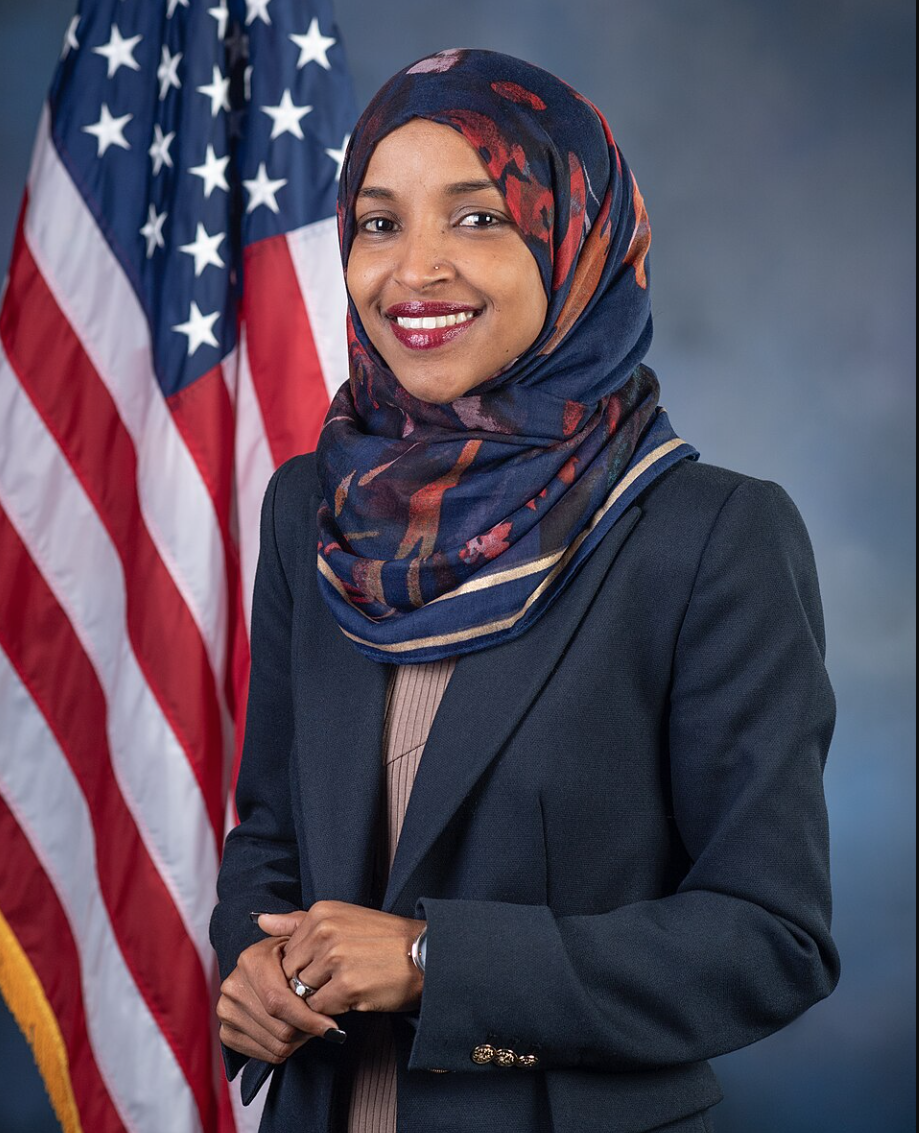
Reuters subsequently reported that investigators are examining possible false statements in decades-old immigration and citizenship records. Sources described potential efforts to revoke Omar’s citizenship and pursue deportation. Omar denies wrongdoing. DOJ declined to discuss her case specifically, while defending investigations where facts support denaturalization. Those reported possibilities are not court findings.
A judge’s authorization to search does not establish guilt. Likewise, the timing of an investigation does not, by itself, prove political retaliation. Both principles matter when evaluating a case carrying such significant consequences.
The election interference concern
The Justice Department’s own rules prohibit prosecutors and agents from choosing the timing of investigative actions, charges or statements for the purpose of influencing an election or helping or hurting a candidate or party. That restriction makes the purpose behind an action essential—not merely its proximity to Election Day.
My concern is that a highly visible investigation can impose political consequences long before evidence is tested in court.
An elected official must divert time and resources toward legal defense. Supporters may become reluctant to associate with someone portrayed as a government target. Headlines about a search can overshadow policy debates, while the distinction between suspicion and proof disappears in social media commentary.
If federal authorities deliberately use those effects to disadvantage an opponent, that would undermine the public’s ability to make an independent electoral choice. Whether that happened here requires evidence about investigative decisions, communications and timing. It should be investigated through oversight and reporting, rather than assumed.
The familiar politics of belonging
Trump’s history provides a reason to examine this controversy closely.
Years before Omar’s current investigation, Trump became a leading promoter of the false claim that Barack Obama was not born in the United States. In September 2016, he finally acknowledged Obama’s American birthplace after years of advancing the controversy.
The Obama White House had released his long-form Hawaii birth certificate on April 27, 2011, following the earlier publication of his birth documentation during the 2008 campaign.
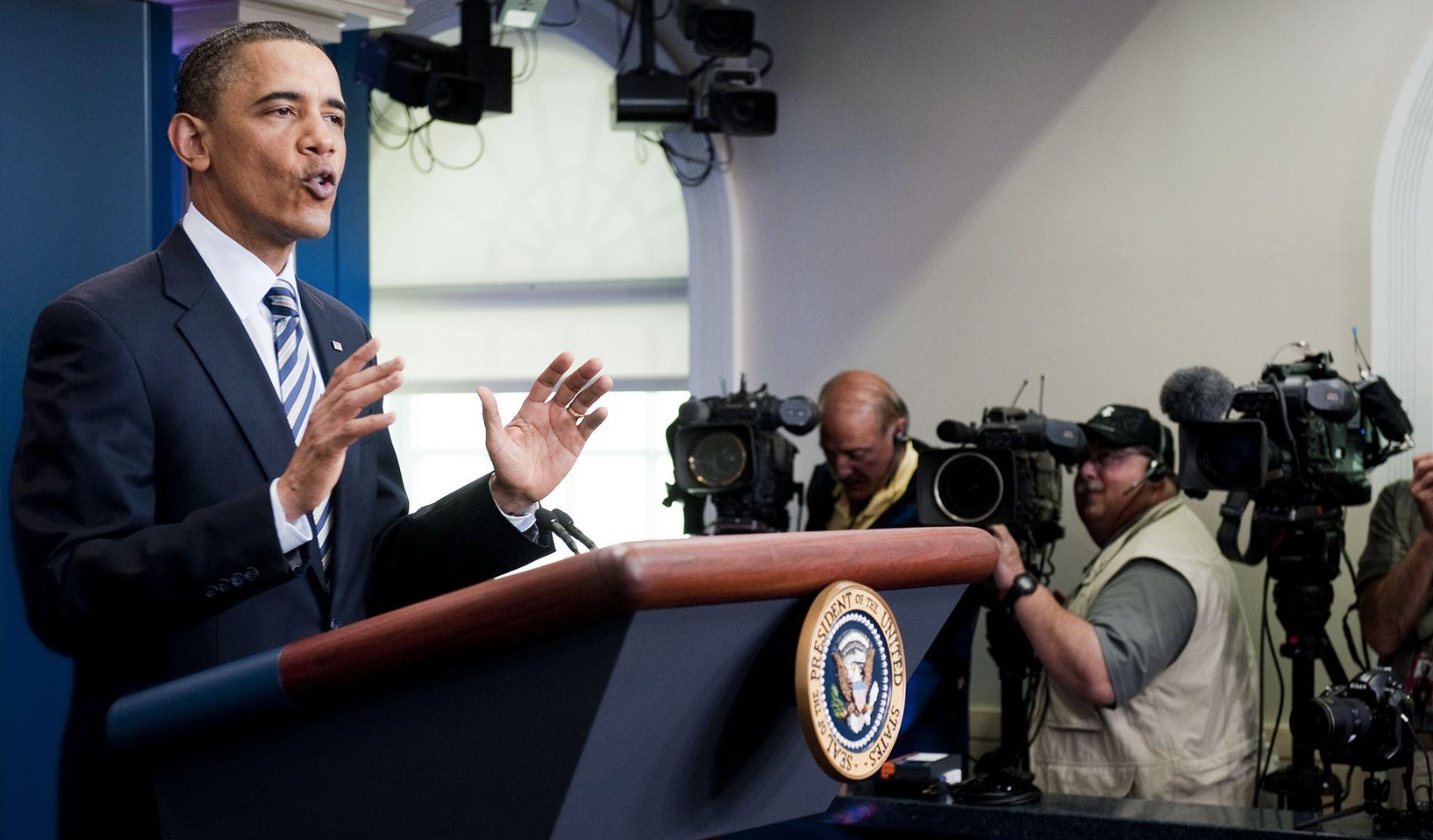
Obama’s birthplace controversy and Omar’s immigration investigation involve different facts and legal questions. My comparison concerns the political message: repeatedly casting a prominent opponent’s American identity as something suspect.
That message deserves particular scrutiny when the presidency comes with authority over agencies capable of conducting searches and pursuing prosecutions.
When the process becomes punishment
The dangers extend beyond one congresswoman.
If political leaders can turn investigative machinery into a method of intimidation, critics may begin weighing the personal cost of speaking publicly. Witnesses, donors, organizers and journalists could also become more cautious about challenging those in power.
The resulting damage would reach the Justice Department itself. Selective enforcement would erode confidence in legitimate investigations, making it easier for actual wrongdoing to be dismissed as partisan retaliation.
The standard should remain consistent: investigate credible evidence, apply the same rules to allies and opponents, and preserve meaningful judicial review.
Congress should scrutinize the basis and timing of politically sensitive enforcement actions. Courts should protect constitutional rights. Journalists should pursue records and explanations while refusing to treat a search as a conviction.
Omar is entitled to due process. The public is entitled to enough transparency to assess whether federal power is being exercised fairly.
Imported from the original WordPress story.


Join the conversation
0 approved commentsRegistered readers only. Every comment is reviewed by HHE before it appears publicly. Keep it respectful, relevant, and free of personal information or threats.
Loading reader options…
No approved comments yet. Be the first to add your perspective.